


Labor Day is a federal holiday in the United States celebrated on the first Monday of September to honor and recognize the American labor movement and the works and contributions of laborers to the development and achievements in the United States.
Beginning in the late 19th century, as the trade union and labor movements grew, trade unionists proposed that a day be set aside to celebrate labor. “Labor Day” was promoted by the Central Labor Union and the Knights of Labor, which organized the first parade in New York City. In 1887, Oregon was the first state of the United States to make it an official public holiday. In the United States, a September holiday called Labor Day was first proposed in the early 1880s.
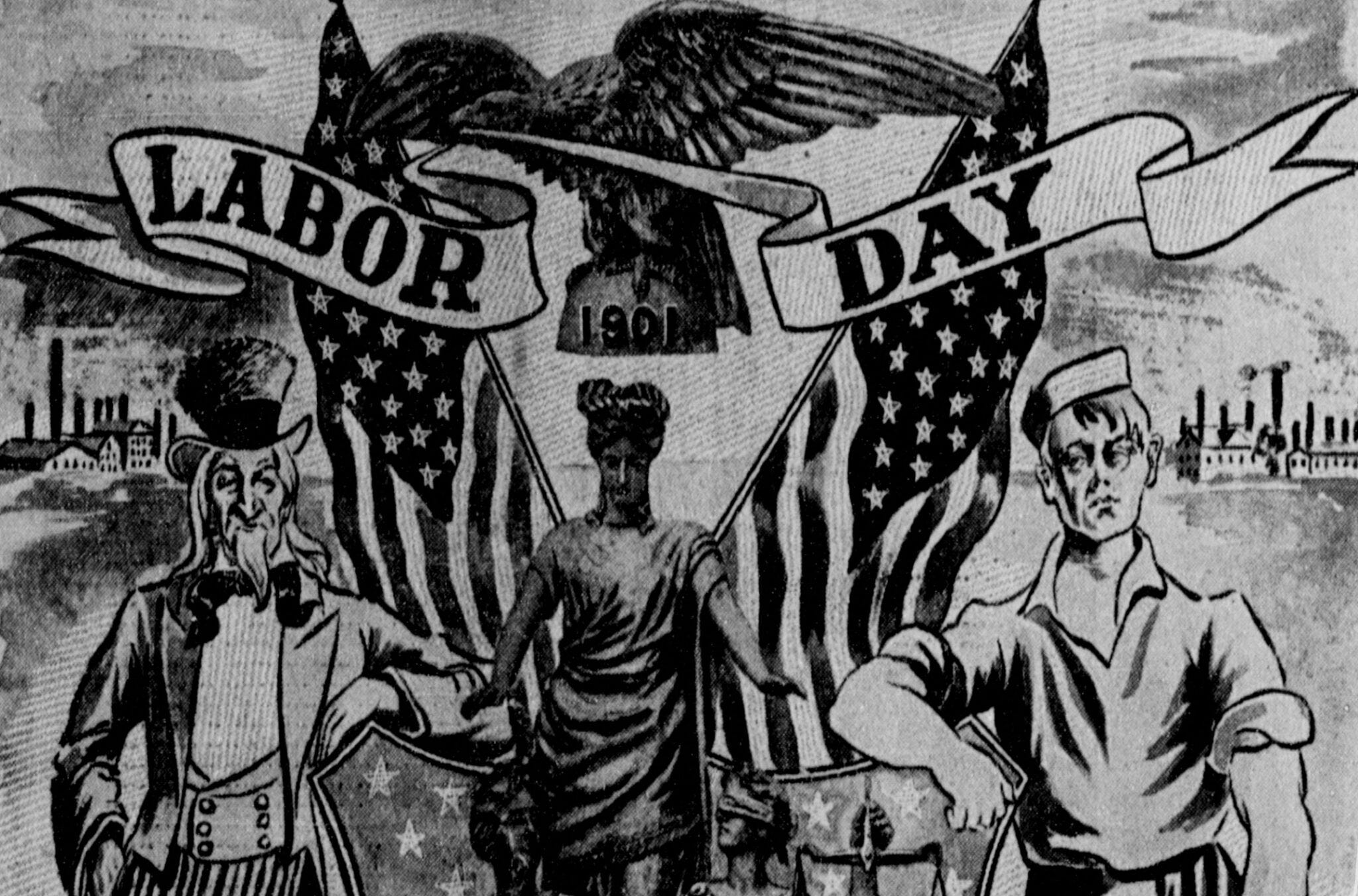
Peter J. McGuire, a vice president of the Federation of Organized Trades and Labor Unions – later named the American Federation of Labor – saw the International Workers Day, or May Day, parades celebrating Labor in Toronto and proposed a “general holiday for the laboring classes” in the spring of 1882 to the Central Labor Union in New York City. He recommended the event begin with a street parade as a public demonstration of organized labor’s solidarity and strength, with the march followed by a picnic, to which participating local unions could sell tickets as a fundraiser. Situated between the Fourth of July and Thanksgiving, McGuire thought the first Monday in September an ideal time for a holiday.
Incidentally, my memories of celebrating Labor Day harken back to when I was a McGuire as well, Casey being my married name. Labor Day was a remarkable and uncommon break from work for those in the household who worked. Ahem, “not I,” said the youngest child.
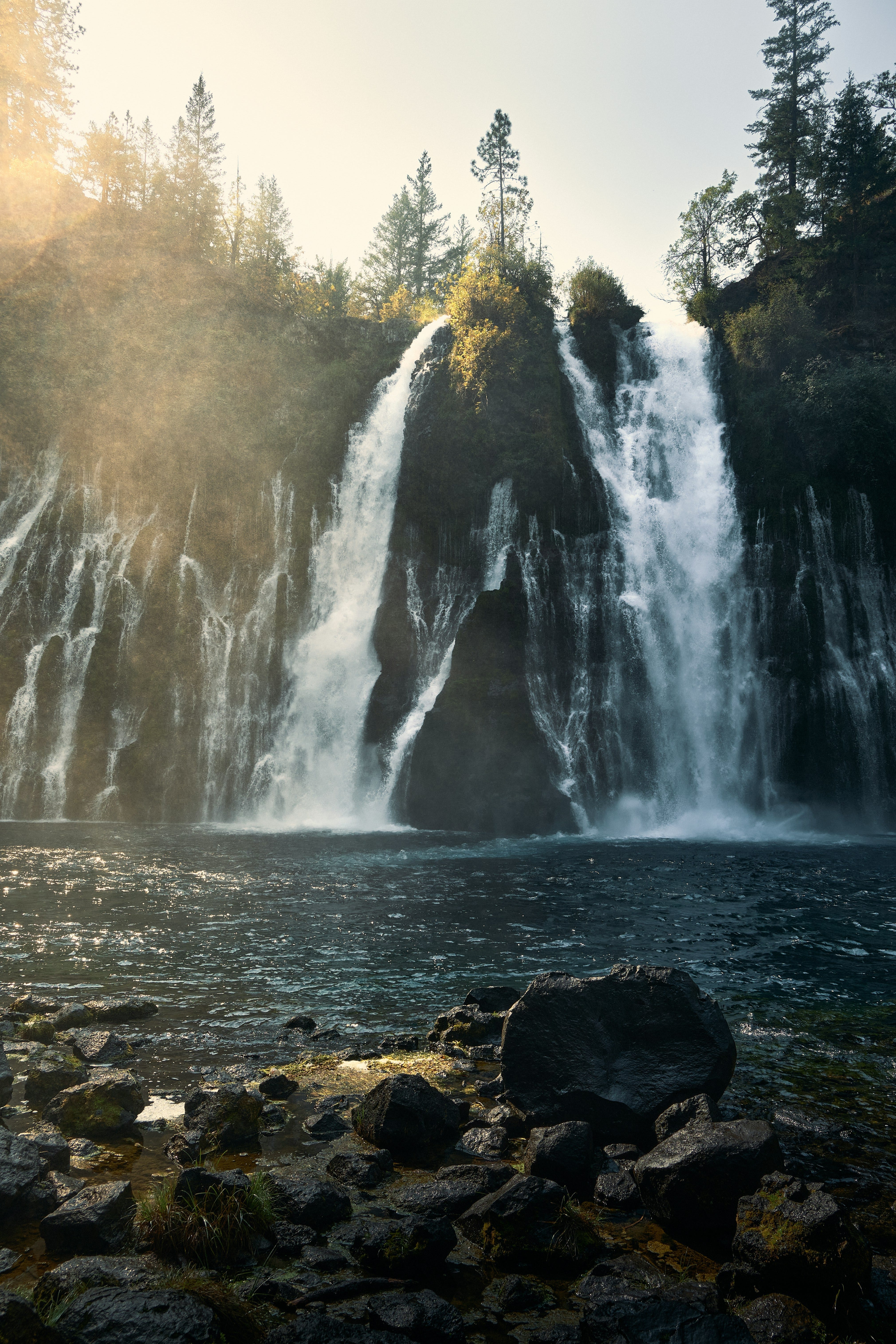
We packed up the trailer and camping gear, loaded the Ford F250 and began the long drive up to Burney Falls State Park. When we arrived hours later, my aunt and uncle were all set up. My father parked, unhitched the trailer, and unloaded our tents. My sister and I set to work, trained early in the art of pitching tents, choosing as remote a spot as we could in our two-spot campground.
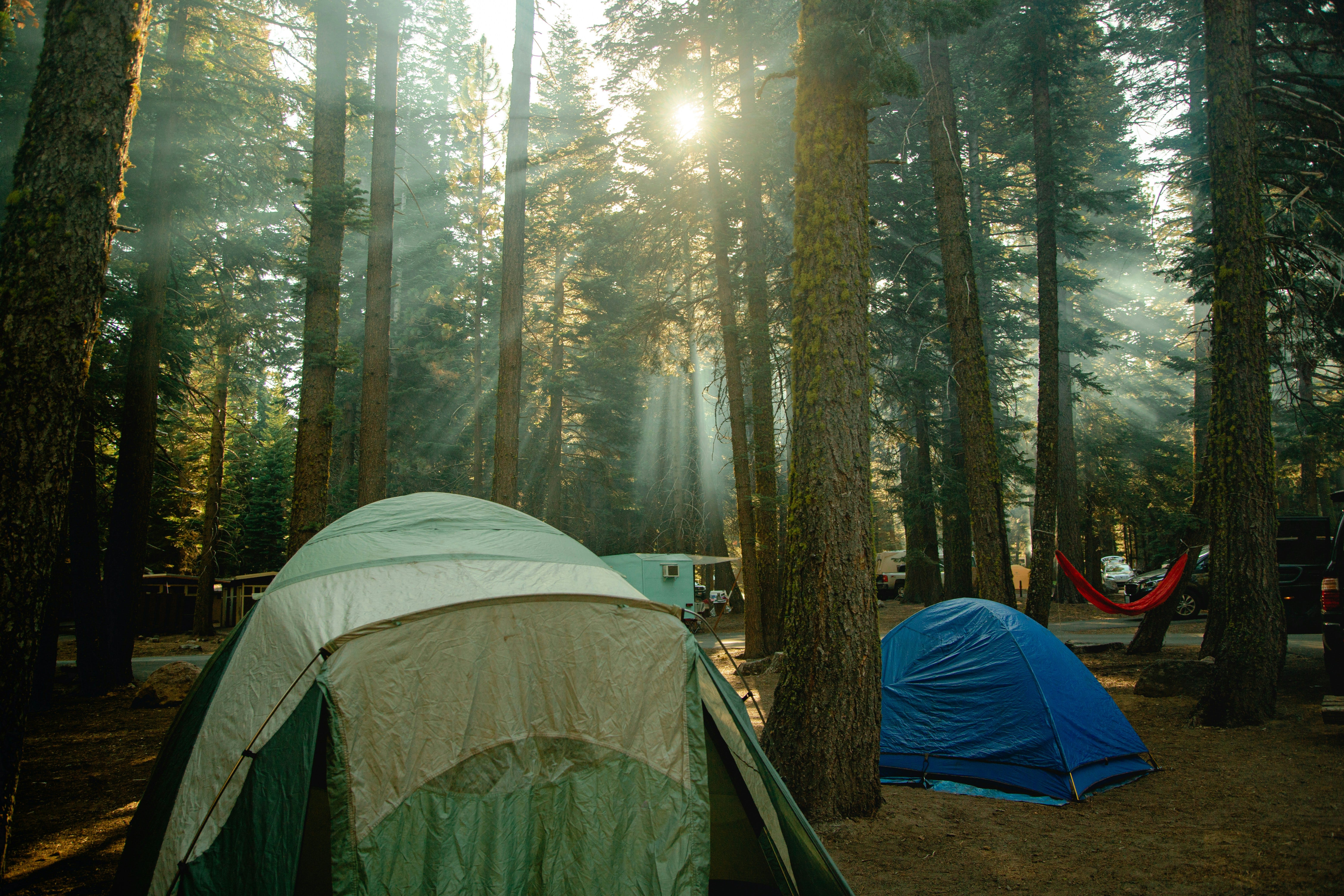
Then the adults sat around the fire “visiting” while we biked and explored all our favorite places we saw, year after year. The short, paved switchback to the falls, the mile-long meander, the harrowing road down to the lake (on bike, sans helmets because that was not a law yet), the general store with ice cream, the rocks along the campground boundaries that we knew so well. It was the only regular vacation of my youth, and it was magical.
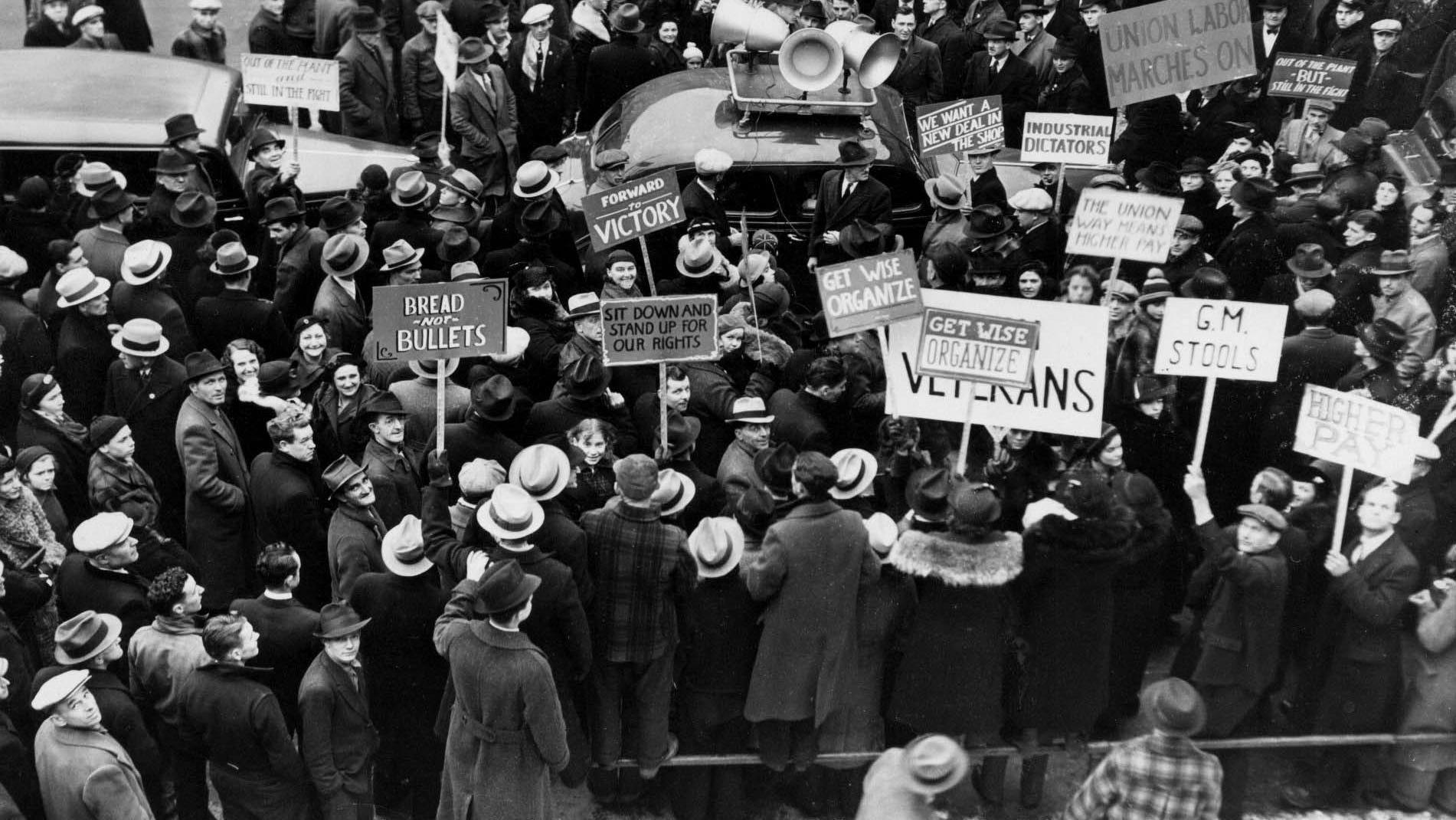
I knew about unions from my father’s less favorable stories of the impact union strikes had on his family, who needed the wages more than the strike. But before that time, the labor movement in the United States grew out of the need to protect the common interest of workers. For those in the industrial sector, organized labor unions fought for better wages, reasonable hours and safer working conditions. It led efforts to stop child labor, give health benefits and provide aid to workers who were injured or retired.
According to History.com, the early labor movement was based on the idea of a just society, the “labor theory of value and from the republican ideals of the American Revolution, which fostered social equality, celebrated honest labor, and relied on an independent, virtuous citizenship.”
Those were likewise the ideals of my family in regards to work, passed down to us as we saw them come home from work, spend the weekends laboring around the home property, and soak up the rest from their labors in that one real three-and-a-half-day vacation a year.
Union membership began to decline in the 1970s as imports and deregulation increased and nonunion competition grew. Nowadays, headlines highlight the efforts to unionize in companies like Starbucks, Walmart, Amazon, and ridesharing companies, stabilizing hours, creating job security, and increasing wages. Dolores Huerta, co-founder with Cesar Chavez of the United Farm Workers union, is back in the news, advocating for food aid through CalFresh.
Labor Day is still considered by marketers and those of us susceptible to their marketing as the “unofficial end of summer.” It marks the end of the U.S. culture’s nominal summer season, but the beginning of hope for us here in the Central Valley that the heat might soon subside. Schools open, vacations come to a close, and fall sports begin. The dust soon settles after almond harvest and pumpkins are added to the roadside stands.
Fall festivals run in earnest for the two months following Labor Day with the Turlock Melon Carnival on Sept. 18 and 19, Vintage at the Garden at the Hughson Arboretum and Gardens and Waterford Heritage Day on October 3, Great Valley Bookfest on October 10, Robert’s Ferry Harvest Market on October 17, and Hughson United Methodist Homecoming on October 24. After Halloween, the market tone shifts to Christmas and winter vibes, even as the warmth of summer risks persisting. The festivals offer at the sort of leisure Americans do best, celebrating, shopping and supporting the work of another as those industrious entrepreneurs set up shop, going from one town to another.
So, whether it be for you a day of rest, a day of celebration of workers, a kick-off of pumpkin spice season, Happy Labor Day.
Originally published in the Hughson Chronicle & Denair Dispatch on Sept. 1, 2026. The Hughson Chronicle & Denair Dispatch is part of MidValley Publications and is committed to the power of the positive press. Reprinted with Permission.
The Hughson Chronicle & Denair Dispatch is a weekly, print-only local newspaper. To subscribe, call 209–358-5311.