


In the days following the death of my father, I stood beside my 6-year-old at Mass. And as I wept, I saw in the corner of my eye how she looked up at me, her eyes searching, trying to gauge how she should feel and react to the moments unfolding before us.
Somehow, inexplicably, nearly nine months have passed, taking us farther away from those days.
Then one day, she came up to me and told me the end of the book “Charlotte’s Web” is so sad, and that when Charlotte died, she almost cried. I could hear, in her voice, the awe that she felt telling me this, that she was moved, on her own, to grief by something so beautiful and sad, and for all its fantastical quirks, something very true.
The next day, I read in a letter from E.B. White (May 1, 1951 to Carrie A. Wilson):
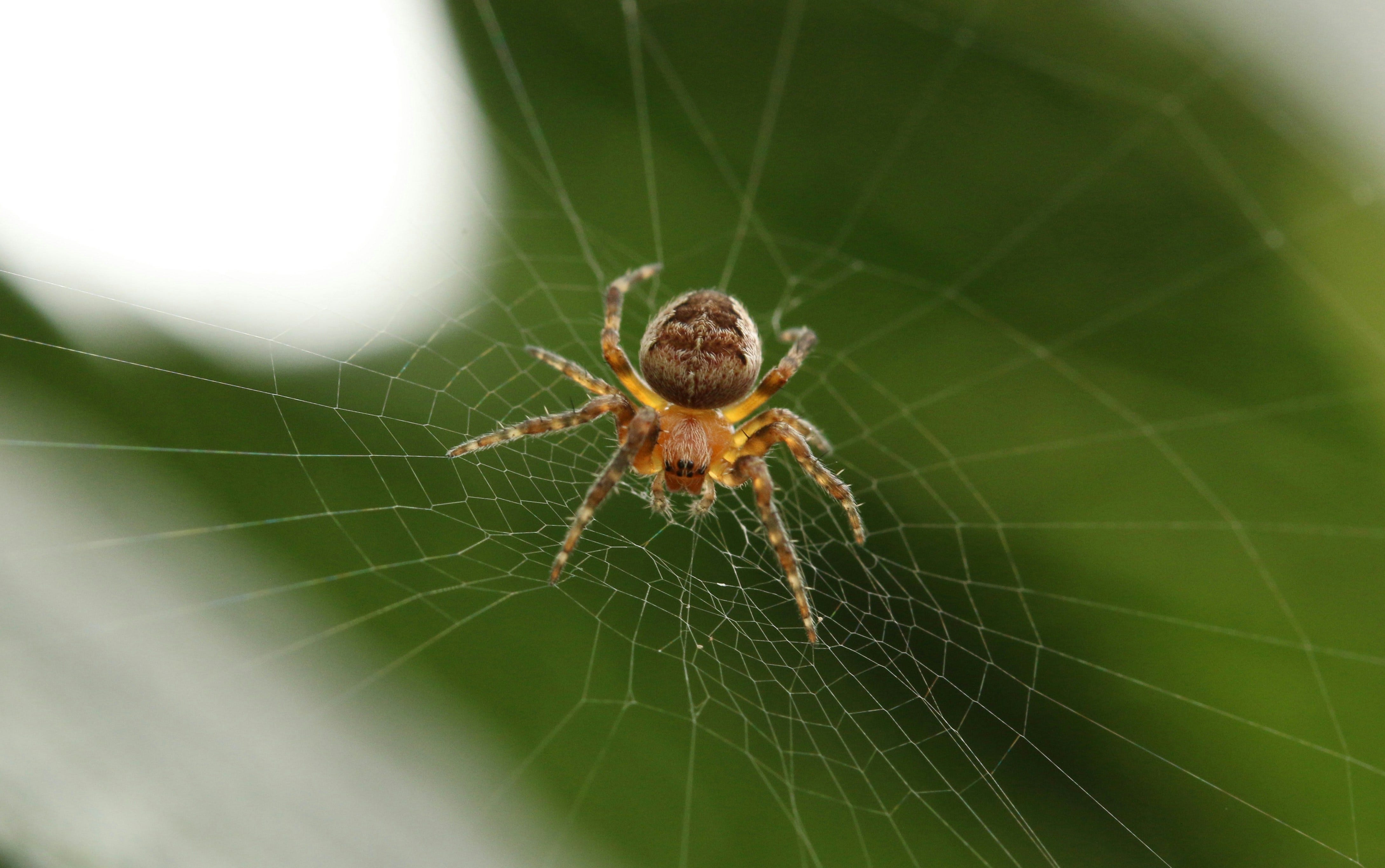
“If the vexatious world of people were the whole world, I would not enjoy it at all. But it is only a small, noisy part of the whole; and I find the natural world as engaging and as innocent as it ever was. When I get sick of what men do, I have only to walk a few steps in another direction to see what the spiders do or what the weather does. That this sustains me very well indeed, and I have no complaints”
It’s the end of August, the waning of summer. And we have plenty of spiders.
My friend in South Korea recently drove through this mad storm. It was a long saga, but at the risk of their lives, she, her daughter and friend made it safely off of the island of Geoje.
My older daughter imagined a story:
What if a child who never knew laughter found what she was searching for through death?
Flannery O’Connor hit on the same idea. In her short story, “The River,” a boy is searching for love and belongings, and in her typical –very dark– Southern Gothic style, he finds it through an unexpected baptism.
Death sharpens our perspective when we experience an emergency. The trauma of a diagnosis. The fear of knowing that this emergency is serious in a way that none of the other emergencies have been. All of a sudden, the lesser things matter less. They’re put in the right perspective.
Then one more day later, I heard I listened to Russ Roberts interview Ben Sasse on EconTalk. Sasse said that while he wouldn’t wish for pancreatic cancer, he wouldn’t want to go back to not knowing what he knows.
I told my daughter something similar when she asked me on my birthday how it feels to be old. “Well, I wouldn’t want to go back to not having the wisdom that I have. I would rather have the wisdom than the energy.”
All these things are an invitation to me to sharpen my focus.
When the pettiness, the peccadillos, the frustrations, the mundane routines of life start to get to us, we need only turn around, walk a few steps, and look at the natural world. That might be the natural world of death or illness hoisted upon us, a medical emergency, a terrible weather event, or just a spider spinning a web in our windowsill, doing what spiders are meant to do.
However, we end up facing it, let’s remind ourselves to stop and to actually look at the thing for what it is in the bigger picture.
I think that so much of the grief we experience is enhanced by looking at it only from our own little standpoint. To the housekeeper trying to keep the house clean, it’s just one more cobweb. The loved one who grieves, she thinks of how she will never hear the voice of her friend again.
Let’s see it in the bigger picture.
Let’s see all our moments in the bigger picture. Let us live in the bigness of knowing that time has gone on before us and time will go on after us.
For those who are believers, that shortness may be a comfort.
“Life is short and full of misery. We’ll see them again in Heaven,” St. Zelie Martin wrote to her sister after the death of a child.
Without that view that life and the world go on beyond us, these crosses may feel insurmountable. We need to see a tomorrow that is bigger than our tomorrow that comes after tonight.
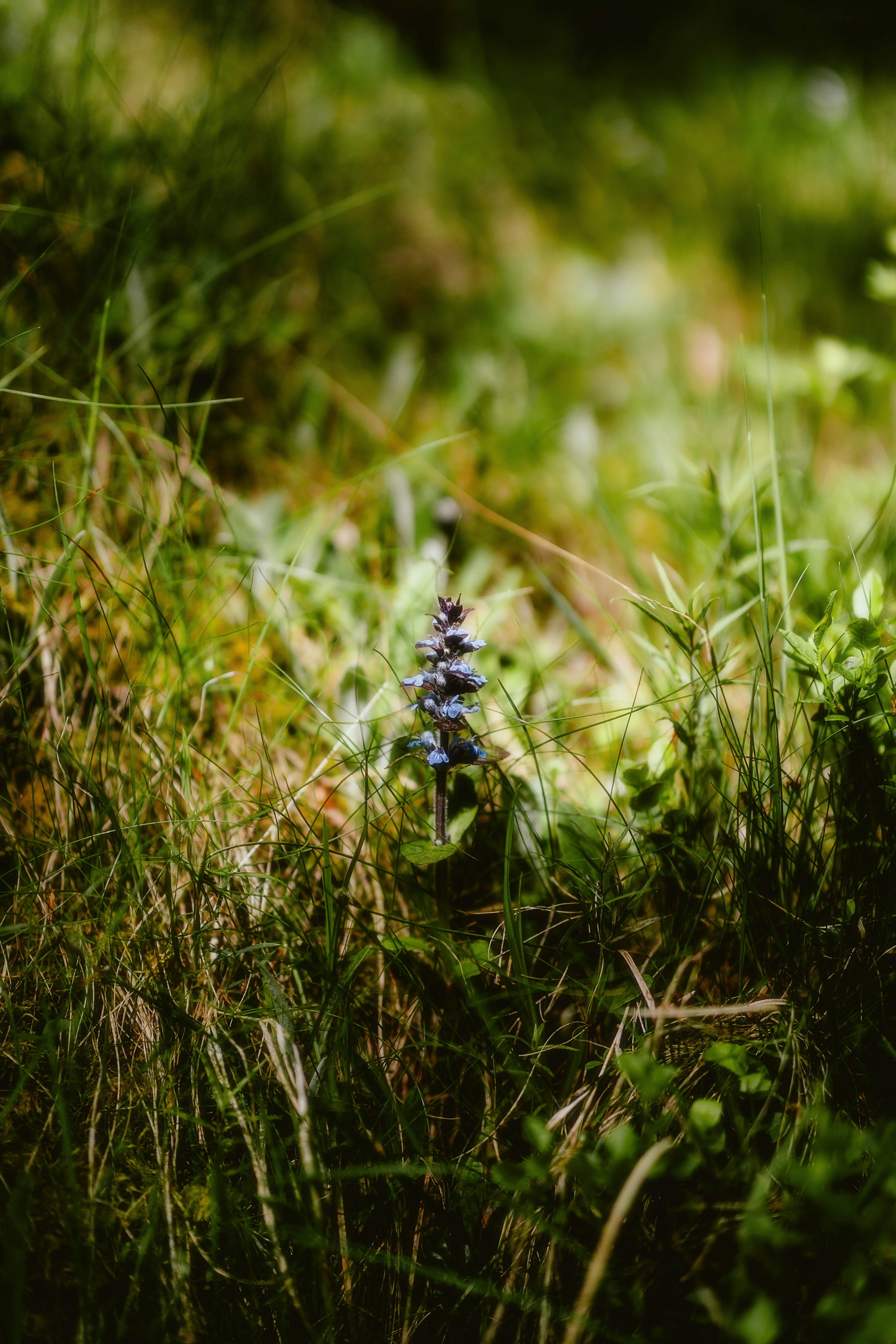
So today, look for the opportunity to see these little moments of nature, of creation doing what it was meant to do, doing what it has always done, tied up to the whole world, the whole universe. Take comfort in knowing that we are part of that. It has gone on before us. It will go on after us.
And when we have found meaning in our lives as to why we are here, and why we exist, then it can actually be a relief to know that we are so small. The world does not depend on me, does not depend on my social media comments; it does not depend on every little parenting decision I make. It does not depend on even what job I take right now. Few of us have that kind of power in this world, and we can take comfort in that. It can be a terrible thing to feel powerless, or it could help us to feel free. When we turn to the spider, to the weather, to the birds of the air and the flowers of the field.
Originally published in the Hughson Chronicle & Denair Dispatch on August 25, 2026. The Hughson Chronicle & Denair Dispatch is part of MidValley Publications and is committed to the power of the positive press. Reprinted with Permission.
The Hughson Chronicle & Denair Dispatch is a weekly, print-only local newspaper. To subscribe, call 209–358-5311.