


The Fashion Film
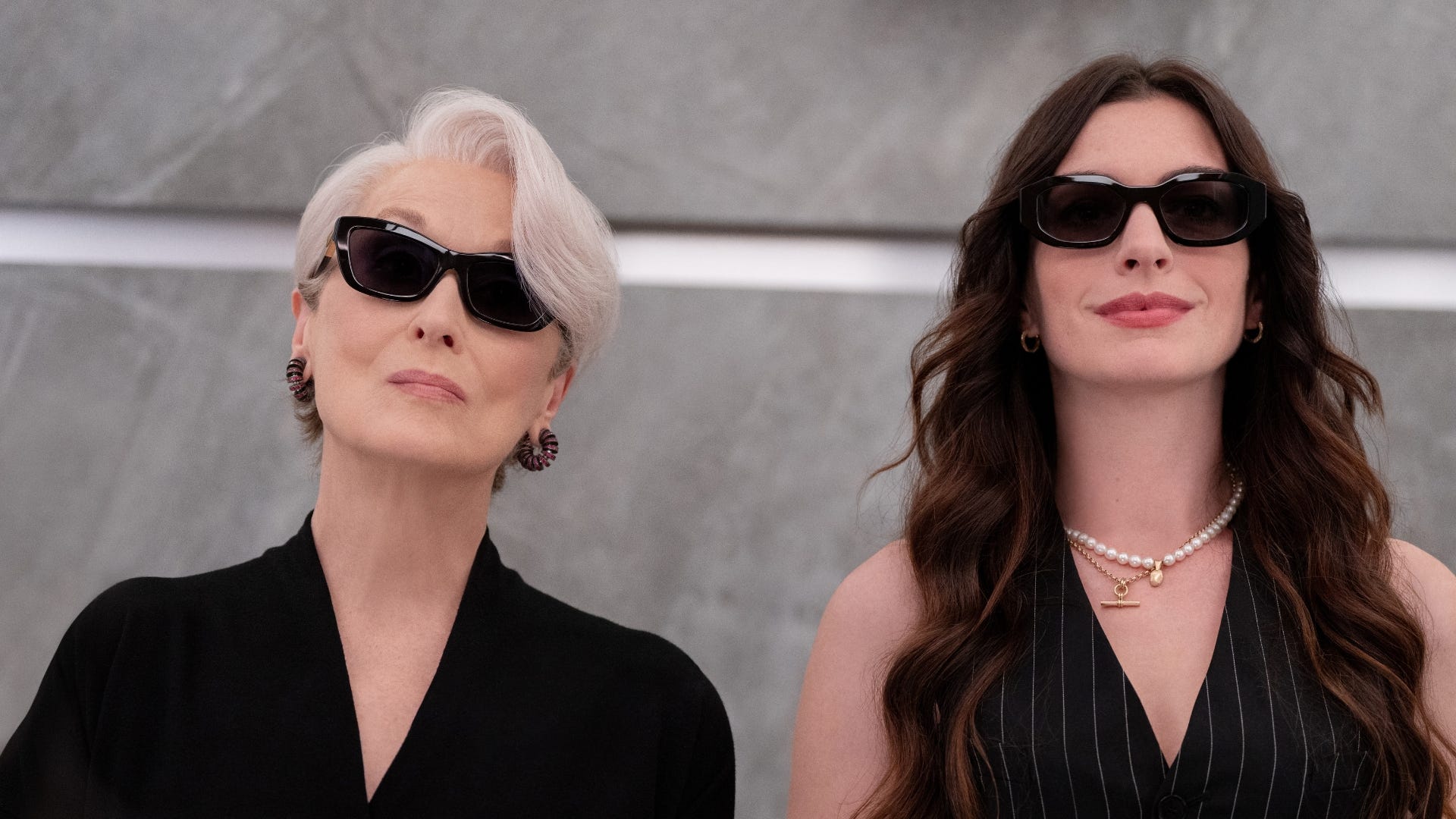
There is a genre of film that attaches itself to a bigger genre, usually a type of romantic comedy. This is the fashion film. It’s the film that fashionistas might not remember the plot; they watch it for the clothes. When the plot itself is also good, along with the acting, perfection.
Like architecture, like furniture design, fashion is one of the decorative arts. It is meant to be beautiful and functional.
We can review the famous cerulean monologue from The Devil Wears Prada, spoken by Miranda Priestly, played by Meryl Streep.
“Oh... ok. I see you think this has nothing to do with you. You go to your closet, and you select out, oh, I don’t know, that lumpy blue sweater, for instance, because you’re trying to tell the world that you take yourself too seriously to care about what you put on your back. But what you don’t know is that that sweater is not just blue, it’s not turquoise, it’s not lapis, it’s actually cerulean.”
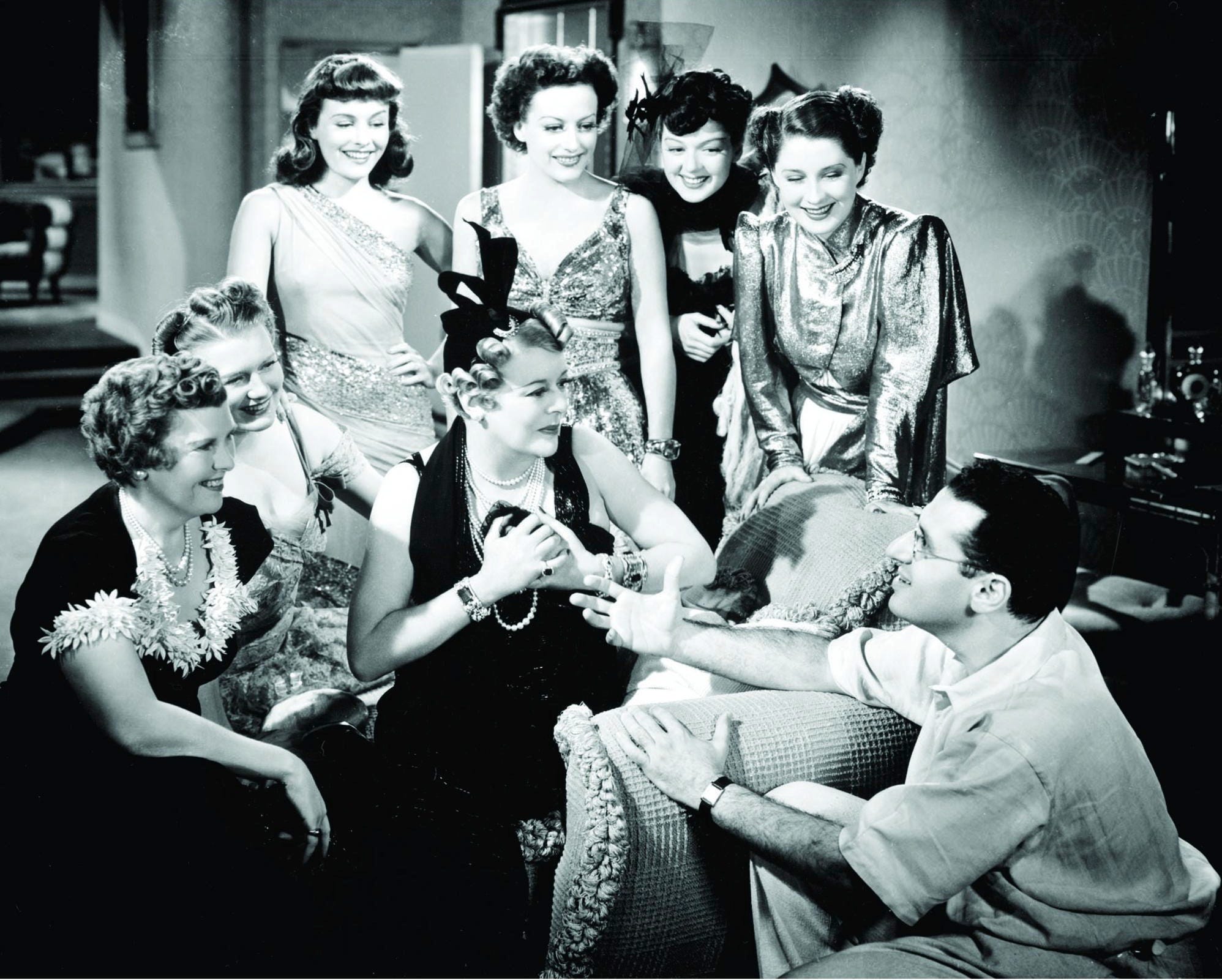
Blue is blue. If you feel that way, fashion films will not all be for you. Stick to The Women (1939) for its humor and all-star cast; Sabrina (1954) with its fairytale plot, Audrey Hepburn, Humphrey Bogart and William Holden; Charade (1963) for is Hitchcockian plot, Audrey Hepburn and Cary Grant, Desk Set (1957) for its throwback technological revolution, Katherine Hepburn, and Spencer Tracy, Clueless (1995) for its clever retelling of Jane Austin’s Emma, and well, the list goes on.
But when you see blue in all the ranges, suddenly B-quality movies become enjoyable not for their storytelling, but for their beauty. Funny Face (1957), Sweet Home Alabama (2002), Stepford Wives (1975), and Downton Abbey, anything.
Since Downton Abbey (2010) and Mad Men (2007), beautiful sets and costuming have become a common trade in prestige television, so many examples are many, but let us return to the movie that never attempted to be anything else, and yet it was: The Devil Wears Prada.
To consider its sequel, we must consider its original.
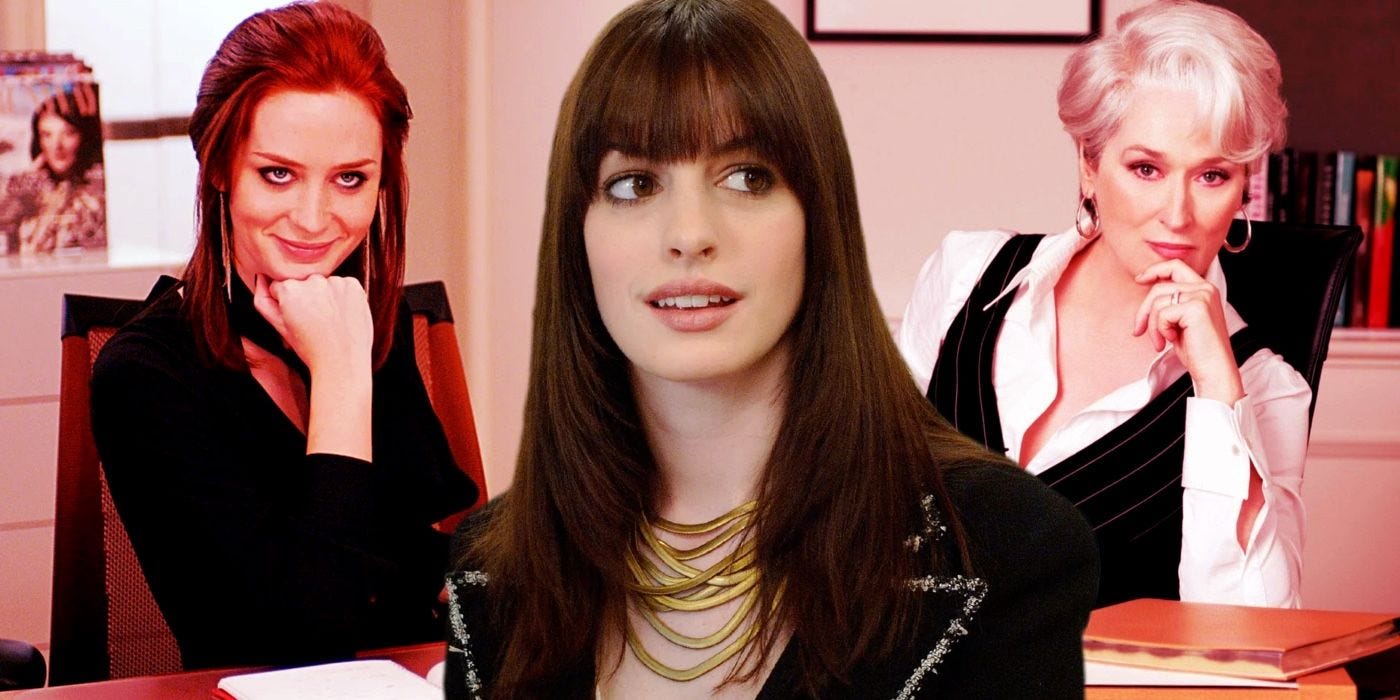
The Devil Wears Prada was beautiful to look at and did it lavishly. From its opening moments, this movie was driving itself forward with scene after scene or shot after shots within a scene of a runway of outfits for the viewers’ delight.
Based on a book, it had a plot of an assistant who takes a prestigious yet entry-level job to advance her career, under the command of a woman at the top, who had to be ruthless to get there.
Less intended was the scene-stealing Emily Blunt as Emily the First Assistant, whose ad-libbed lines became part of the cultural canon that followed this film.
The plot and writing had their weaknesses. “I didn’t have a choice” comes out of Andy Sach’s lips one too many times.
On the surface, the movie appears to fault Andy for choosing to put her career above her relationships and personal health. But as the movie celebrated each transformation and fashion step forward, the message did not land with any weight. Like the power-ballad “Let it Go” from Frozen, signaling the character’s freedom, while she freezes up the kingdom she has just been given responsibility over, and she will eventually have to be convinced to leave behind. It’s too exciting to expect us to believe this moment is the wrong path.
At the end, she describes her step away as “screwing up.”
Viewers can never really get a strong hold on the narrative’s perspective.
The Devil Wears Prada is not an effective morality tale, but it’s fun. It’s biting sarcasm, fantastic acting by Meryl Streep and Emily Blunt, endearing presence of Stanley Tucci, and Anne Hathaway’s beauty (performance limited only by the screenwriting material she had to work with) made this a delightful repeat viewing for me.
So now, the sequel.
First things first, how did it function as a sequel?
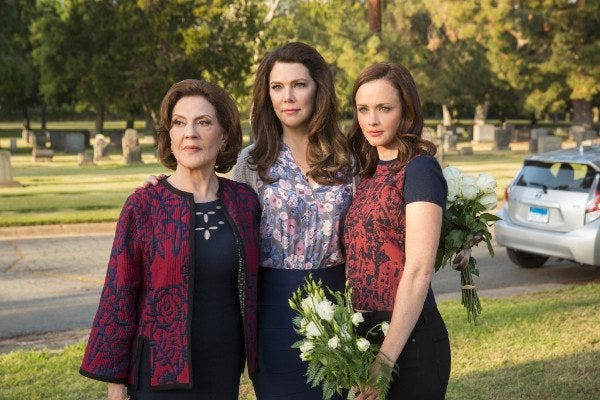
Like the Gilmore Girls revival, it feasts on giving us the moments when we see our old friends as their original characters again. Unlike the Gilmore Girls: A Year in the Life, you get the abundant sense of how much the director and writer loved and still love the original and its characters. The actors are so good that they pick up the older version of themselves near-perfectly. You can feel the expressive goofiness of Andy, now matured and capable of being a professional. Character development is nearly true to the former characters, but I would argue they push Miranda Priestly too far from her original mold.
She is fragile, as another reviewer pointed out. The fragility is not unwarranted, although ultimately over-the-top here.
The Devil Wears Prada II inhabits the modern world in which most of the world believes print media is dead or dying, cannot rely on the old financing methods and struggles to navigate the online, instant and superficial content world of the internet. The old generation that doesn’t get it. That generation is superfluous. HR restrictions are real and can get someone kicked out, even the likes of Miranda Priestly.
Even with navigating all those actually interesting problems for the characters to face, The Devil Wears Prada II falls into the greatest weakness of sequels. We had a movie that people loved the first time. Rinse, wash, repeat. The sequel takes the same development, pace, and emotions and repeats them in a new form. We have the Miranda-as-vulnerable, which moves Andy to her side; we have Andy kissing and walking backward, cutting the scene before the bedroom scene; we have the all-is-lost moment where Miranda will lose her job, and it goes on. Fans of the first movie will recognize the scenes.
But everything is more. More joy, more at stake, and more emotion.
This is a sappy movie.
I groaned. And more than once. The question “Have I taken you for granted?” had no place in this movie.
So many tears in the eyes. Anne Hathaway’s made-up eyes are burned into my brain.
The bite barely left a mark, and it was the biting humor that made the original so fresh and delightful. It was a comedy. Not a romantic comedy, not a chick-flick BBF (ahem, besties) comedy, but a straight, kind of screwball comedy without being stupid or lewd that we rarely get these days. Everything else the original tried to be, except a fashion film, was eclipsed by its humor, to its benefit.
What’s the moral of the story here?
In the 1930s, the Hays Code existed, but was not fully enforced, as Hollywood’s self-censoring of scenes and morality to keep it out of government reach. Characters who engaged in immoral acts could not just get away with it. There had to be some legal, relational, or personal punishment or conversion.
Was that what we got in The Devil Wears Prada?
In The Devil Wears Prada II, the final message is that some women love to work, and this is the thing they find joy in, and pursuing work above all else can be a really joyful thing. The sacrifice of relationships is part of that path. Miranda, in her line from the first film, is proven right; she and Andy are alike, and this film celebrates Andy’s actions to protect and advance Andy’s career.
Also, you don’t need a man to define you.
Also, it’s okay to make mistakes. We won’t do this relationship thing perfectly, and that’s okay.
And women can help each other.
It’s all fine, although I doubt the main moral of the story is particularly true. Miranda remains on top, but without work, what does she have? When one only fights for himself in life, he eventually finds himself alone, not a part of something bigger than himself that lasts beyond him and can hold him in the fragility that comes to us all. It works for now, but then we die alone, and that reality concerns me when I see it.
The film raises the question, then dodges.
But the clothes!
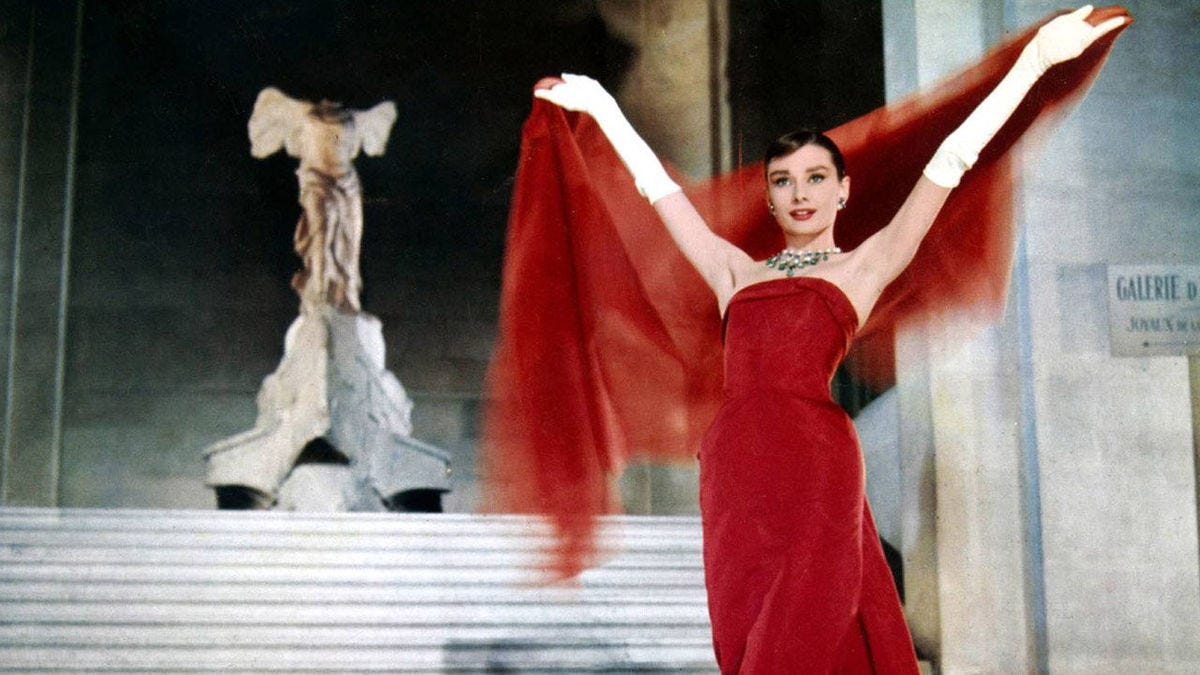
That’s right, this is a fashion film. It will take repeated watching to know if the weakened plotting and messages can be looked past.
Will the joy at seeing characters hold up if we watch the films back-to-back?
I loved the clothes, mostly. These are the styles we look at now, instead of the time capsule that comes with watching the original twenty years later. So I think more about my personal preferences than just the artistry of textile design.
I wonder if the quickened camera cuts of modern cinematography interfered with my ability to savor the outfits. I’m not sure.
Repeat watching will be necessary to see where it lands.
Last notes:
BJ Novak for the win – always fun to watch.
The reflection on Da Vinci’s “Last Supper” was so weird.
The banter with the contractor was fun, although chemistry was lacking.
They wasted Kenneth Branagh, unfortunately.
I will be rewatching it in the comfort of my own home one day, so it gets a tentative thumbs-up as a fashion film, but not as a film in its own right.
But from someone who gets viscerally angry when a movie is bad, that’s not too bad.